
1,758 New Guests In 7 Weeks…From $517 In Ad Spend.
Case Study
A fried chicken concept launched with ABR and, in 7 weeks, built a 1,758-person database, drove 438 tracked in-store visits, and pulled $6,774 in sales.
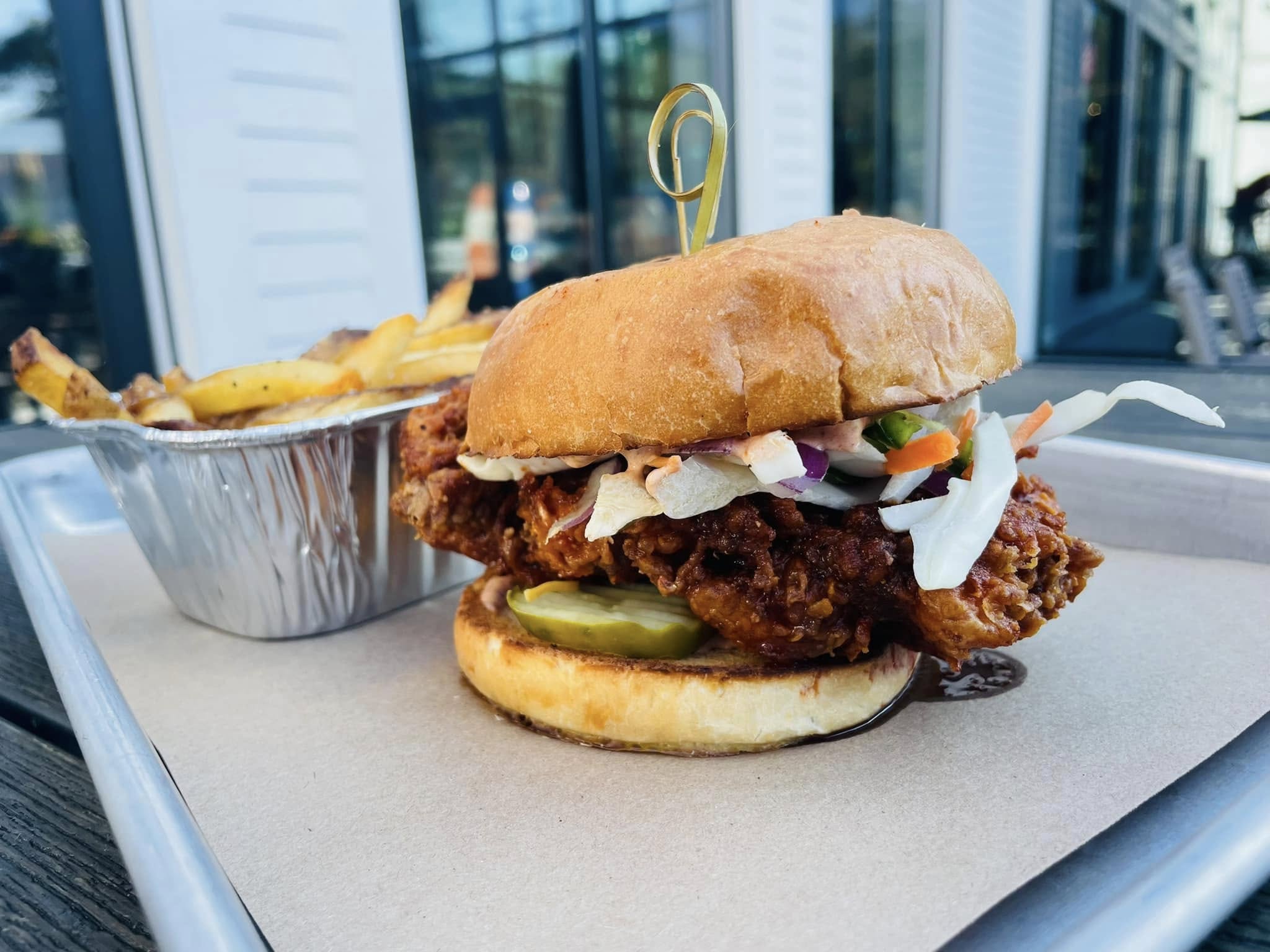
And this all happened with a $517 Ad Spend using our ABR Customer Acquisition Program.
Step 1 · Attract Attention
Viral attention. Zero database. A free sandwich gated by an opt-in.
Featured Offer
Free Chicken Sandwich
One per guest · opt-in requiredTwo fried chicken units in Southern California — one in the Inland Empire, one in Orange County. Made-to-order kitchen, strong neighborhood following, and a guest base doing a lot of the brand-building work for free: 745 Google reviews and 834 user-uploaded photos, plus a steady stream of viral content fans were already sharing online.
What they didn't have was a database. No list to warm up, no list to follow up with, no list to own. The ask coming into ABR was simple — turn their viral attention into new customers and a database the restaurant owns.
So we built the offer around the one thing they already did best: their hero product. A free chicken sandwich, redeemable ONLY after a guest joins their marketing program. Customers were STOKED to raise their hand for it — and the restaurant got back a name, email, phone, and birthday on every single one.
It's the cheapest possible way to get new customers. You get the marketing attention, the customer's info, and you drive sales every day.
The ads attracted this attention
Step 2 · Build A Database
A Database They Own.
Where that database showed up in sales
89% of tracked sales came from guests who weren't coming back on their own.
Brand-new guests walking through the door for the first time. The majority of tracked sales — acquisition is working.
Lost guests the offer pulled back in. Actually outspent the "new" bucket on a per-visit basis.
The already-loyal guests. Kept in the database, but this wasn't a program designed to re-sell them.
89% of tracked sales came from new guests plus reactivated lost guests. That's revenue that wasn't showing up without the program — one of the highest found-money shares across the entire ABR portfolio.
Step 3 · Results, Revenue…ROI
The results — and the economics behind them.
Sales & Operations
The ROI
Now the economics: CAC vs LTV
Because marketing isn't for one visit. It's for years of visits.
+ food cost of the promo
(low end — 20–30 visits/year is typical)
Would you spend $6.40 to earn $600?
Plus the ad attention and customer data that come with it? We thought so.
Step 4 · Your Turn
This partner chose our ABR Roadshow & Accelerate Program to get these results.
Click below to schedule a consultation and see if we can help you — and if your restaurant is a great fit for the program.
Photos on this page are for visual reference only. Images may not depict the specific restaurant, location, staff, or menu item referenced in the case study.
Case study metrics reflect actual dashboard reporting from the restaurant referenced. Individual restaurant results vary based on market, concept, offer mechanics, operational execution, timing, and other factors. Past performance is not indicative of future results.
Schedule Your WIN Meeting
Pick a time that works for you.